For someone who has spent more than six decades in the public eye, maintaining a polished appearance has sometimes come with a deeply personal price. Marie Osmond has never entirely avoided conversations about beauty treatments, aging, or the pressures of looking a certain way in the entertainment industry. Yet some of the most persistent questions surrounding her appearance remain unanswered.
Now 67, Osmond has spent most of her life in front of cameras. While generations of viewers have watched her career unfold, some of her more recent photographs have left longtime admirers wondering whether they would recognize the entertainer they remember from her younger years. A look through photographs spanning more than five decades reveals how dramatically her public image has evolved, while a series of AI-generated comparisons adds an unexpected dimension to the discussion.
From the voluminous brunette curls that became part of her signature style to her glamorous red-carpet appearances and more recent television looks, Osmond has never been afraid to experiment with her image. However, conversations about her changing appearance have become increasingly complicated. Cosmetic specialists have offered their interpretations, fans have expressed surprise online, and Osmond herself has spoken candidly about beauty treatments and the realities of getting older.
Before revisiting the photographs that have attracted so much attention, it is worth remembering the remarkable career behind the familiar face. Osmond’s story is about far more than hairstyles, makeup, or speculation about cosmetic procedures.
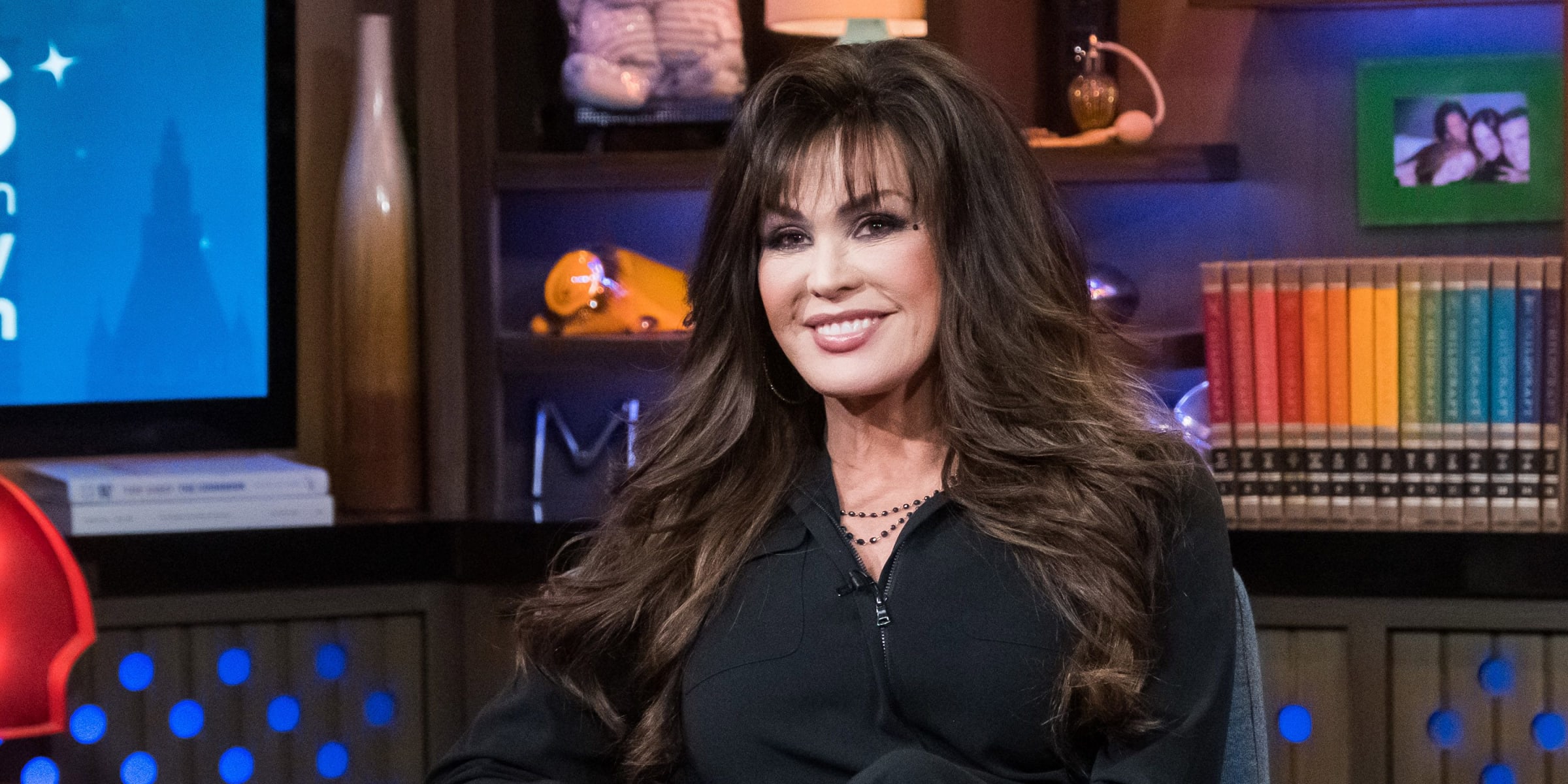
From a Child Star to a Household Name: Marie Osmond’s Early Years
According to her IMDb biography, Osmond has spent more than six decades entertaining audiences across an extraordinary range of fields, including music, television, Broadway, film, writing, entrepreneurship, and public speaking.
As the only daughter in the famous Osmond family, she entered the entertainment world at an exceptionally young age. She made her television debut when she was just three years old on The Andy Williams Show, where she was humorously introduced as “the youngest Osmond brother.”
Her career took a major turn when she was only 12. That year, she recorded her debut solo album, Paper Roses, a release that quickly propelled her into international stardom. The achievement made her the youngest female artist to reach No. 1 on two Billboard charts, a distinction she continues to hold.
Those early accomplishments established Osmond as a young performer with extraordinary potential. But alongside the success, another story was developing — one involving the intense expectations placed on a teenage entertainer whose appearance would be examined and criticized for decades.
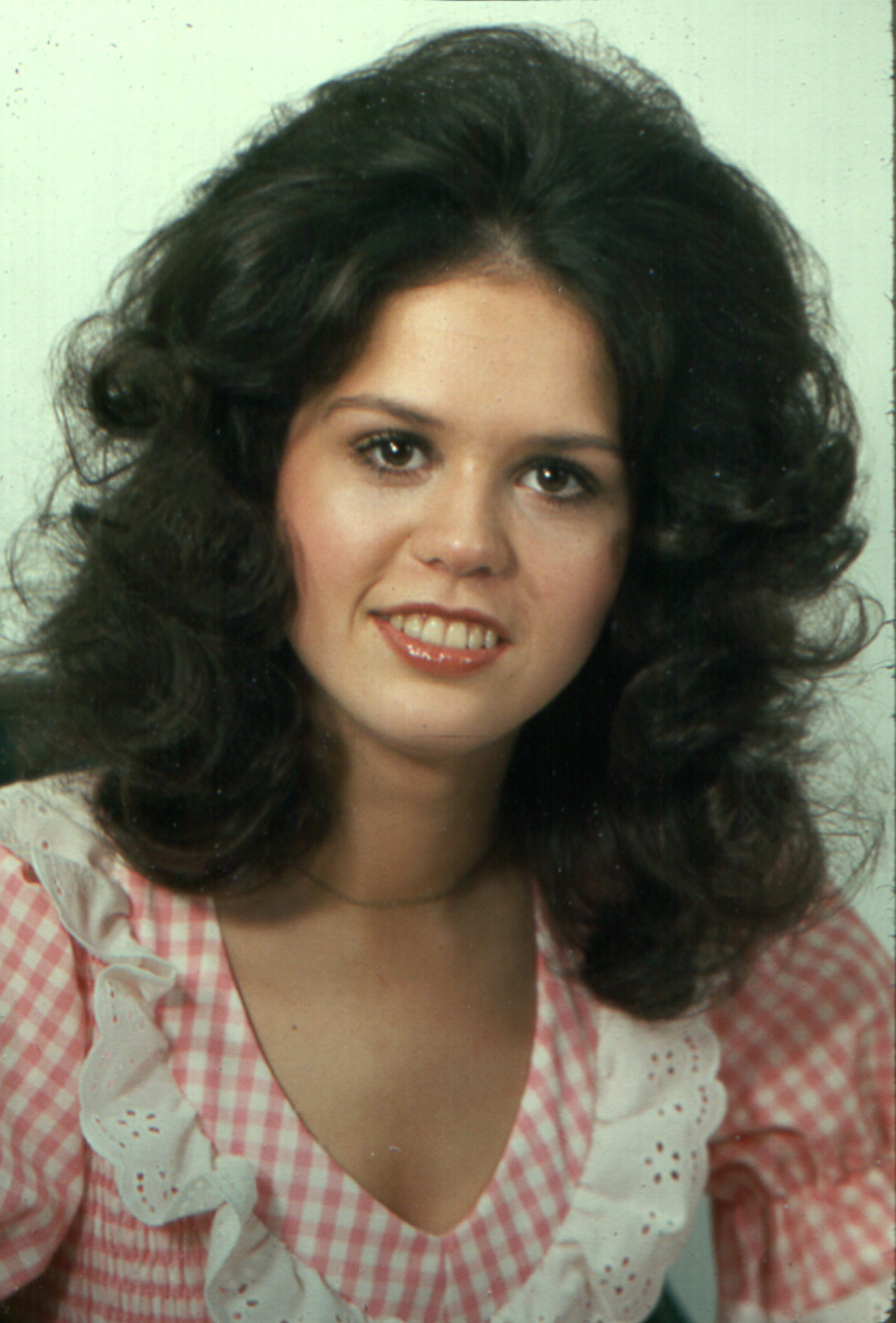
1970: A Young Star at the Beginning of an Extraordinary Journey
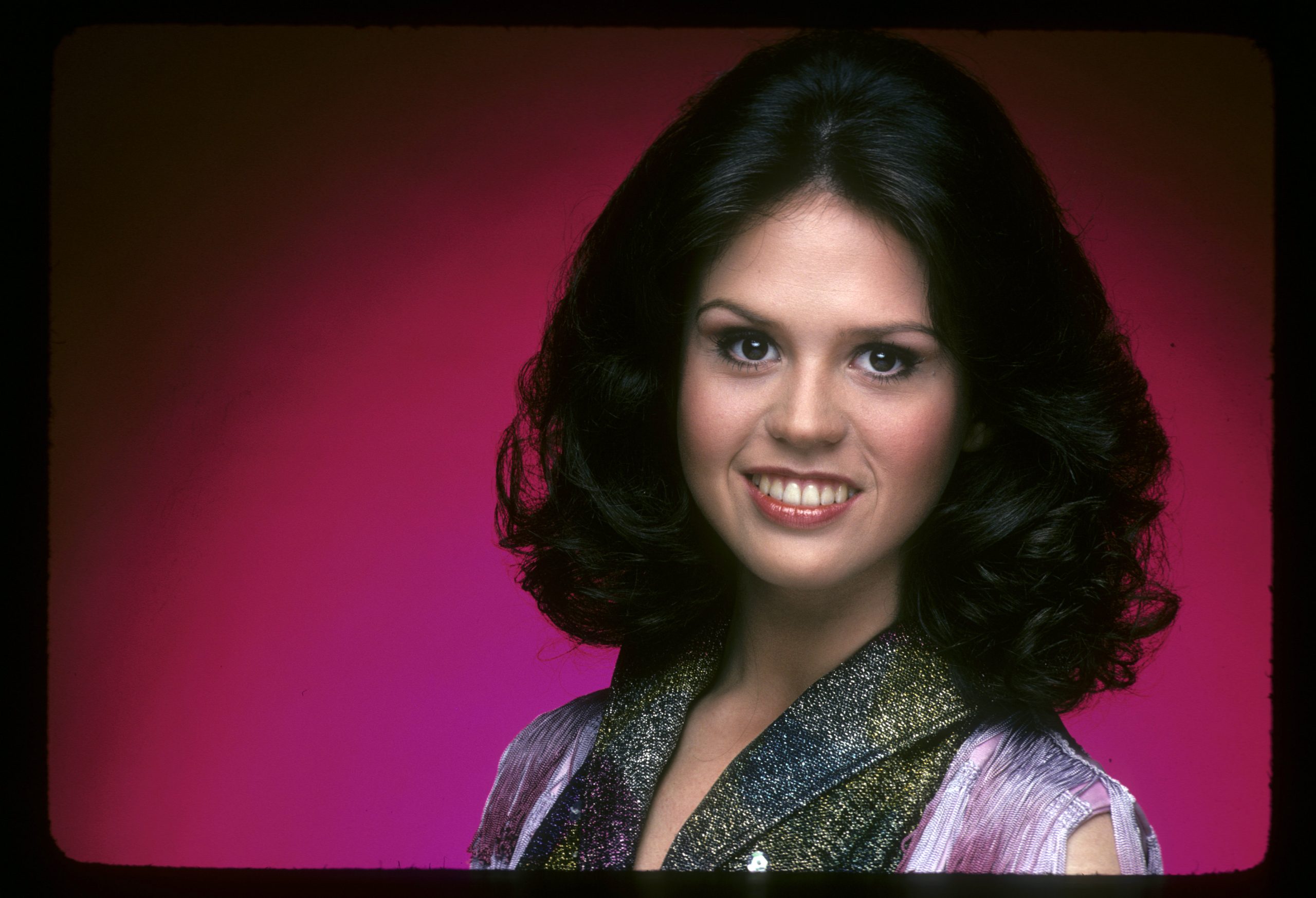
1975: The Face of a New Generation of Television Stars
1976: Fame Came with an Unexpected Price
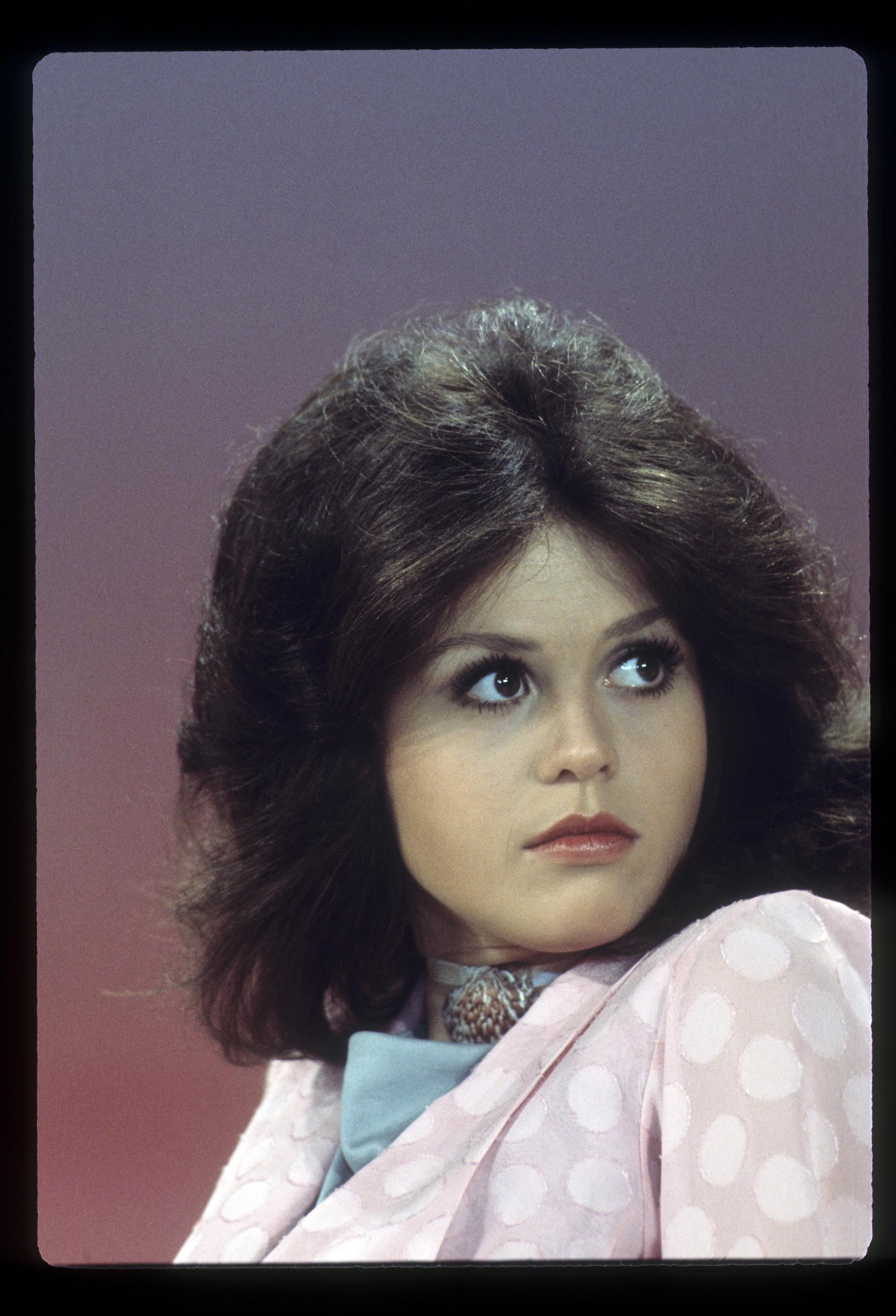
During her teenage years, Osmond also began co-hosting Donny & Marie alongside her brother Donny. The achievement made her the youngest woman to co-host a network television show.
The variety series became enormously successful, reaching international audiences and being dubbed into 17 languages. It also helped popularize one of her most memorable catchphrases: “I’m a little bit country.” On screen, the siblings brought cheerful performances and an unmistakable family chemistry to viewers around the world.
Behind that bright television image, however, Osmond was experiencing something much less glamorous. The pressure to maintain a particular appearance was beginning to take a serious emotional toll.