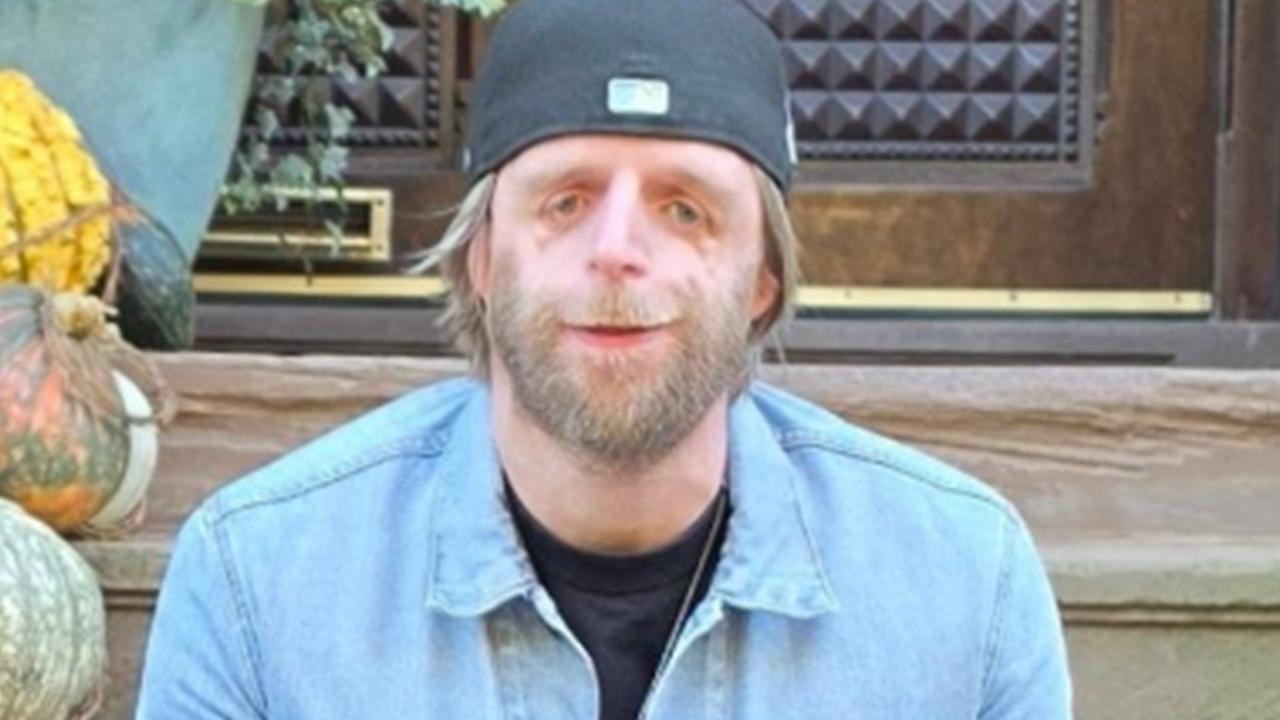
Jono Lancaster was abandoned by his biological parents just 36 hours after birth because of his appearance. Now, at 40, he is speaking candidly about one of the most personal aspects of his life, opening up about relationships, intimacy and the years he spent struggling to believe that anyone could genuinely find him physically attractive.
Jono was born with Treacher Collins syndrome, a rare genetic condition that affects the development of the bones and tissues of the face. The condition left him without external ears and caused significant hearing loss.
His biological parents struggled to come to terms with his appearance and made the decision to leave him in hospital when he was just 36 hours old. However, his life took a different direction when a woman named Jean Lancaster entered the picture.
Just two weeks after his birth, Jean decided to foster Jono, welcoming him into her home without hesitation. Having previously supported children with disabilities, she eventually made the decision to adopt him when he was five years old.
Reflecting on the moment Jean first welcomed him into her life, Jono explained that she had always described feeling an immediate connection with him.
“She always told me that she couldn’t help but smile when she first saw me and she felt an instant connection when she held me,” Jono Lancaster told The Daily Mail.
He also revealed that he had always known he was adopted and that his family made a special effort to celebrate the day he officially became part of their lives.
“I have always known I was adopted and we always have a party every year on May 18 to celebrate that day. I would tell my friends ‘My parents chose me. Your mum and dad got stuck with you, but mine chose me.’”
Jean provided him with the affection, security and stability he needed, but growing up was still an incredibly difficult experience.
Throughout his school years, Jono endured bullying, hurtful remarks and uncomfortable stares from people who judged him because of his appearance. The constant attention eventually affected the way he viewed himself, to the point where he began avoiding mirrors and shop windows because he found it difficult to look at his own reflection.
Jono Lancaster Shares the Reality of Dating With a Rare Genetic Condition
The impact of those experiences extended into his relationships, particularly when it came to developing confidence around girls.
As a teenager, Jono recalled situations in which girls would flirt with him as part of dares, while their friends watched and laughed. Rather than feeling wanted or appreciated, these encounters reinforced his deepest insecurities.
Over time, he became convinced that nobody could ever genuinely find him attractive.
During an appearance on LADbible Stories’ Honesty Box, Jono answered 21 questions submitted by viewers. Among them was a particularly personal question about his experiences with intimacy and relationships.
The question read: “How have you found navigating your sex life?”
Rather than avoiding the subject, Lancaster chose to speak openly about his experiences, discussing dating, intimacy and the emotional challenges his condition had created throughout his life.
He revealed that his longest relationship lasted 10 years and that he had experienced several relationships over the previous 18 years. However, becoming comfortable with intimacy and allowing himself to feel wanted had not always come naturally.
“It was definitely hard at first. There was a lot of trauma at the beginning,” he explained.
For many years, Jono struggled with the belief that physical attraction was something he would never experience from another person.
He remembered questioning whether anyone could genuinely desire him, particularly when it came to being seen as sexually attractive rather than simply being appreciated for his personality.
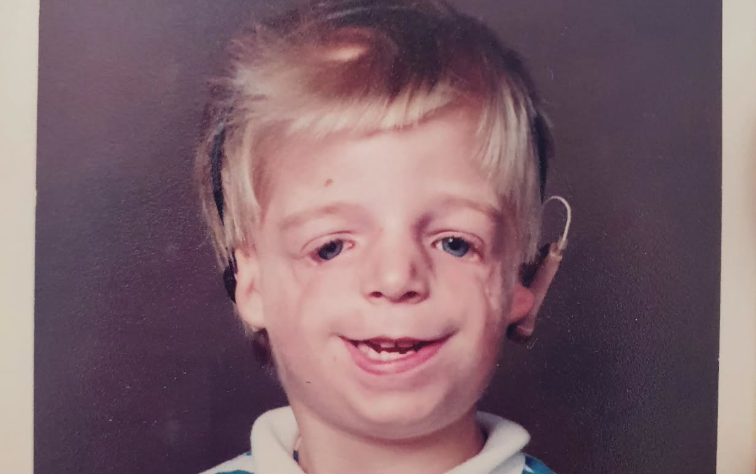
Jono Opens Up About the Intimate Questions Surrounding His Sex Life
During his appearance on LADbible Stories’ Honesty Box, Jono described the negative internal voice that had followed him from his teenage years into his twenties.
It repeatedly told him that nobody would ever want him, not just as a romantic partner, but also physically.
“Nobody’s gonna find me attractive. That somebody would find me sexually attractive… I would be like, ‘Oh, I’m so unlovable,’ and it didn’t happen for me,” Jono recalled the voice telling him.
Those thoughts became deeply ingrained, influencing the way he approached dating and how he responded when someone showed an interest in him.
However, after years of struggling with his self-image, Jono has reached a very different place in his life.
He has previously spoken about a particularly meaningful moment when he finally looked at his reflection and, instead of focusing on the features he had spent years disliking, felt genuinely happy with what he saw.
“For the first time in I can’t remember how many years, I absolutely loved what I saw,” he said.
His journey towards self-acceptance has not been straightforward, but his experiences demonstrate how dramatically someone’s outlook can change when they begin to recognise that they deserve love, happiness and acceptance.
The insecurities he developed while growing up also affected the way he behaved in relationships. Lancaster admitted that he frequently struggled to establish personal boundaries and often became a people pleaser because he desperately wanted others to accept him.
He also became increasingly preoccupied with changing his appearance, turning to dieting, gym sessions, tanning and exercise in the hope that improving his body might compensate for the facial features he had always felt insecure about.
Over time, however, his perspective began to shift. Rather than allowing his childhood experiences to define his romantic life, he started recognising the meaningful connections he had built with other people.
Looking back on his experiences, he explained that he has had “so many beautiful relationships.”
Despite finding love, building confidence and learning to accept himself, there was still one deeply personal question Jono wanted answered.
Would the two people who had left him as a newborn ever be willing to meet the son they had abandoned?
View this post on Instagram
Jono Tried to Reconnect With His Biological Parents
Although Jean had given Jono the love and support he needed throughout his childhood, growing up did not completely remove his desire to understand his biological parents’ decision.
As an adult, he eventually decided to reach out to them.
At the time, Jono felt he was in a good place in his life. He had a relationship, a job and friends, and wanted his biological parents to know how his life had turned out despite the circumstances of his birth.
He contacted them by sending a letter through an adoption agency, explaining that he was happy with his life and would be open to meeting them if they wanted to reconnect.
Unfortunately, the response he received was not what he had hoped for.
Just two weeks later, another letter arrived informing him that his biological parents did not want any contact with him and would ignore any further attempts to reach them.
Both of his biological parents had signed the letter, making their decision clear.
Although the rejection was painful, Jono has explained that he was ultimately proud of himself for making the attempt. He had taken the opportunity to reach out, offer them a chance to reconnect and let them know that he had built a life for himself.
Rather than allowing those experiences to define his future, Lancaster has turned his personal struggles into an opportunity to support other people facing similar challenges.
In 2019, he founded the Love Me Love My Face Foundation, an organisation dedicated to supporting individuals living with Treacher Collins syndrome and other craniofacial conditions.
Through his advocacy work, Jono aims to encourage people to embrace their differences, develop confidence and recognise their own worth, regardless of how others perceive their appearance.
He has also shared his journey with a wider audience through Channel 4’s Love My Face and by writing his book, Not All Heroes Wear Capes.
After spending much of his childhood believing that his appearance would prevent him from experiencing love and acceptance, Jono is now using his story to help others understand that they are worthy of both.
His experiences are a powerful reminder that being different does not make someone less deserving of happiness, meaningful relationships or a fulfilling life.
Please share Jono Lancaster’s incredible story with your friends and family by sharing this article.