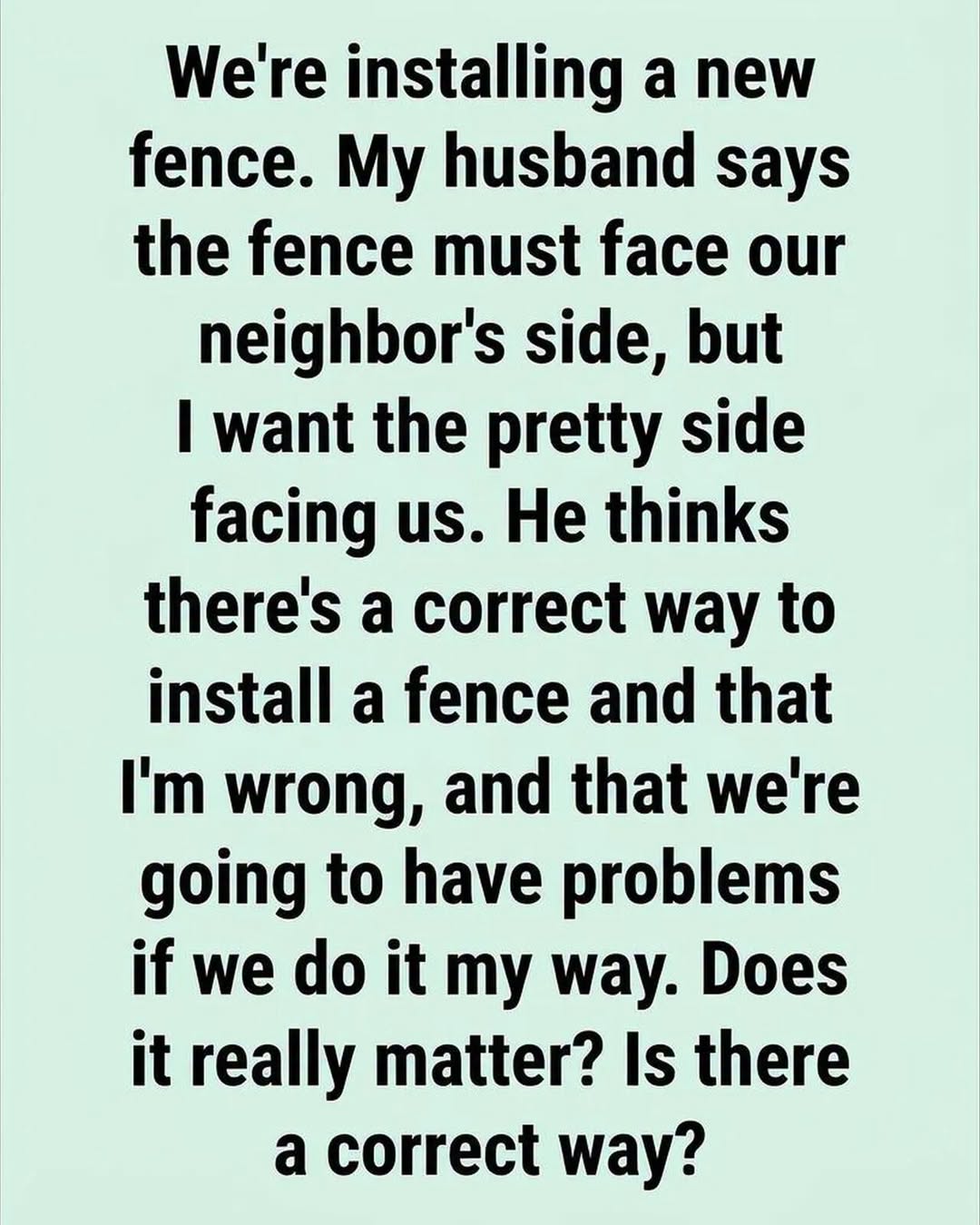
Installing a backyard fence may seem like a straightforward way to improve privacy, secure your property, and create a more attractive outdoor space. Most homeowners naturally assume that because they are paying for the installation, they should be entitled to have the smooth, finished side facing their own patio or garden.
However, that seemingly reasonable design preference can lead to unexpected problems, including neighborhood disputes, costly penalties, and even demands to rebuild the entire fence.
Throughout the United States, positioning the unfinished side of a fence, with its exposed posts and supporting rails, toward the street or a neighboring property can violate local regulations. What initially appears to be a minor aesthetic decision can quickly turn into a serious headache involving formal complaints, reduced curb appeal, and disagreements over property boundaries.
In some communities, the consequences can extend beyond an uncomfortable relationship with the neighbors. Homeowners who overlook local fencing requirements may also find themselves facing complaints from municipal authorities and building inspectors.
Before hiring a contractor, purchasing materials, or digging the first posthole, understanding the rules surrounding fence orientation could save you thousands of dollars and a great deal of frustration.
But why do so many local authorities and experienced builders insist that the finished side must face outward? And what can homeowners do to avoid an expensive mistake?
Local regulations could force you to rebuild your fence
In hundreds of American cities and homeowner associations, local building codes and community regulations require the smooth, finished side of a fence to face outward, toward neighboring properties or public streets.
These requirements are intended to maintain a consistent appearance throughout residential neighborhoods and prevent exposed structural supports from becoming the view presented to surrounding properties.
Ignoring such rules can have serious financial consequences. Depending on the local regulations, homeowners who install their fences incorrectly may face substantial fines, daily penalties, or orders requiring structural modifications.
In particularly serious cases, authorities may issue a legal order requiring the homeowner to remove the improperly installed fence and rebuild it with the finished side facing the correct direction.
What might initially seem like a simple installation preference could therefore become an expensive construction project all over again.
This is why checking local zoning ordinances and building requirements before starting work is so important. Rules can vary considerably between municipalities, and requirements imposed by a homeowners association may introduce additional restrictions.
Why the finished side matters for your property value
The issue is not simply about following regulations. The direction a fence faces can also influence the overall appearance of a property and its relationship with the surrounding neighborhood.
A well-finished exterior boundary creates a cleaner, more uniform appearance, helping improve the visual appeal of a home and its surroundings.
Prospective buyers and real estate appraisers may notice the condition and appearance of fencing when evaluating a property. Exposed support rails and unfinished panels facing the street can detract from the overall presentation, while a neat, consistent exterior can contribute to a more attractive property.
There is also an important neighborhood consideration.
When the rough, unfinished side of a fence faces a neighboring yard, the people living next door may feel that they have been left with an unattractive view despite having no say in the installation.
By positioning the polished side outward, homeowners demonstrate consideration for the surrounding properties and help avoid unnecessary tension with their neighbors.
In other words, the traditional “good side out” approach is not only about appearance. It can also reflect basic courtesy and help maintain positive relationships within a residential community.
How to avoid an expensive fencing mistake
Fortunately, homeowners can prevent most of these problems by taking a few important steps before construction begins.
First, check the local building codes and permit requirements. Never assume that the rules in a neighboring town or another state will apply to your property. Contacting the local building department can help clarify exactly which installation standards must be followed.
It is also important to review your property survey before choosing where the fence will go. Confirming the boundaries can help prevent disputes over whether the structure extends onto a neighboring property or public land.
Speaking with your next-door neighbors before installation is another worthwhile precaution. Discussing the proposed design and placement in advance can help avoid misunderstandings and give everyone a clearer idea of what to expect.
For homeowners who want an attractive finish on both sides without sacrificing the appearance of their own backyard, there is another option worth considering: a double-sided “good neighbor” fence.
These designs provide a finished appearance on both sides, allowing both households to enjoy an attractive view rather than leaving one property with exposed structural supports.
Although this option may require a larger investment, it can be an effective way to preserve neighborhood harmony while creating a clean, polished boundary.
Ultimately, installing a fence is about more than deciding where the posts should go. Understanding local requirements, respecting property boundaries, and considering the people living nearby can prevent expensive mistakes and unnecessary disputes.
A little preparation before construction begins could save homeowners thousands of dollars — and help ensure that the new fence becomes an improvement everyone can appreciate.