The Michigan native celebrated his victory early Wednesday at the state Democratic Party headquarters in Detroit, where he thanked supporters and acknowledged the unlikely path that had brought him to this moment.
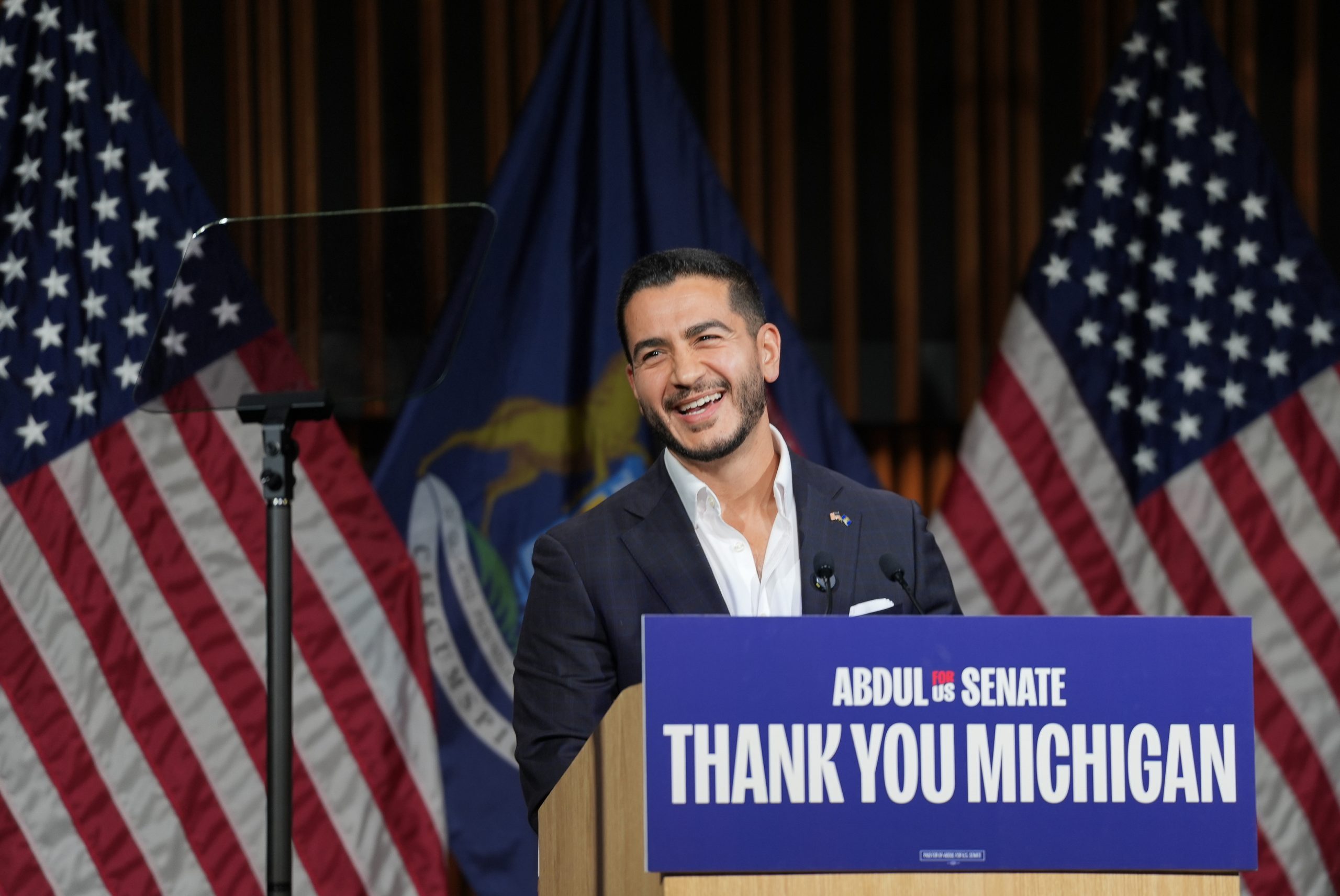
“You took a chance on the unlikeliest of candidates,” he told the crowd.
“They tried to confuse you, so let me just set the record straight,” El-Sayed added. “I love America.” According to The Guardian’s report, he also credited the people who had welcomed him into their homes and stood behind his campaign, including during some of its most difficult moments.
His victory came after a campaign in which his Muslim identity repeatedly became a target of attacks. Throughout the race, however, El-Sayed sought to keep attention on the issues he believed mattered most to Michigan residents and the everyday challenges facing working families.
The Feud With JD Vance That Made His Victory Speech Even More Interesting
El-Sayed’s path to the Senate was not without its political confrontations. During the campaign, he became involved in a public feud with Vice President JD Vance, and their exchanges grew increasingly personal after Vance criticized El-Sayed over his comments about Sharia law. Vance accused him of representing what he described as “terrible evil.”
El-Sayed, in turn, accused Vance and President Donald Trump of hypocrisy, arguing that their policies were harming working Americans. The disagreement took an even more personal turn when Vance used an August 31 rally to warn El-Sayed against mentioning his wife, Usha Vance.
“Whatever you want to talk about, Abdul, keep my wife’s name the hell out of your mouth, because she’s way out of your league!” Vance declared.
El-Sayed also responded with pointed remarks involving Usha Vance and Vance’s grandparents, adding another layer to an increasingly heated public exchange between the two men.
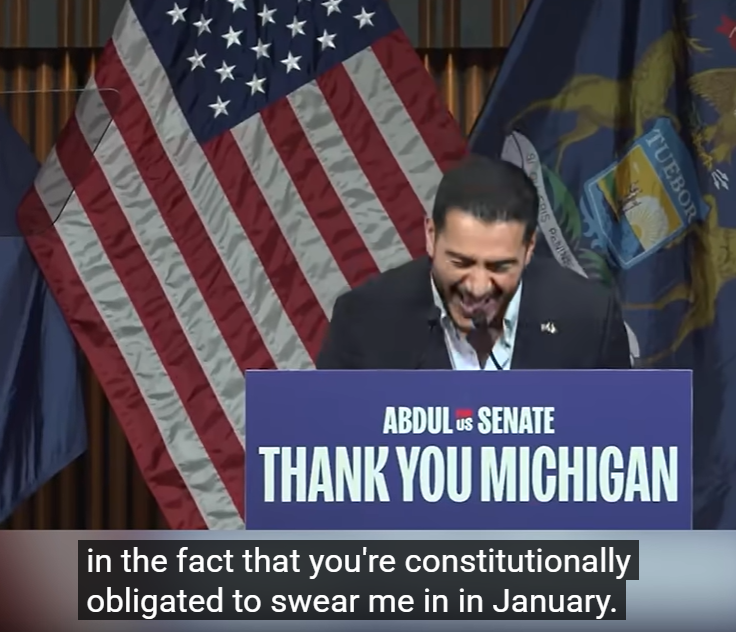
Against that backdrop, El-Sayed’s victory-night message to the vice president carried a particularly sharp sense of irony. Addressing Vance, he said, “JD. Habibi. There is this delicious irony in the fact that you’re constitutionally obligated to swear me in January.”
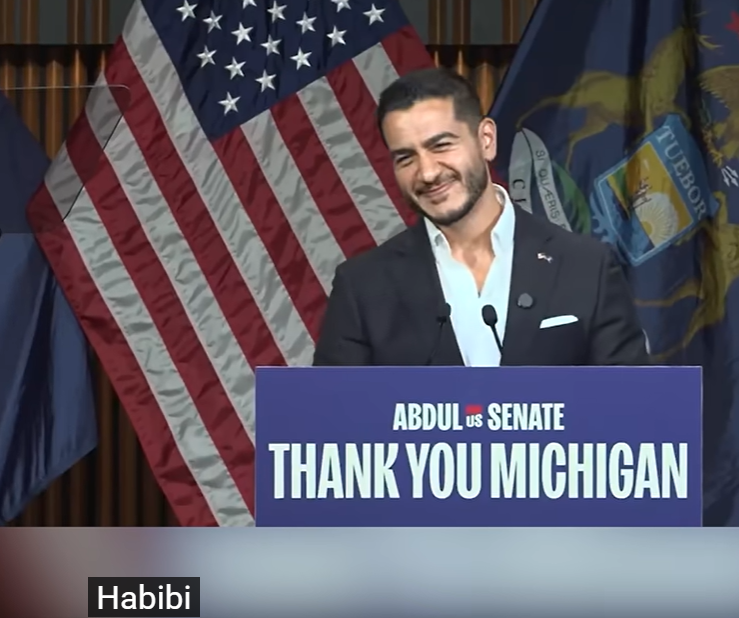
The Arabic word “habibi” translates to “my love” or “my dear.” El-Sayed used the affectionate expression while joking about Vance’s constitutional responsibility to administer the oath of office when the new Senate convenes in January.
He followed the remark with another lighthearted jab at the vice president’s Ohio roots, declaring, “Wolverine 1, Buckeye 0.” The line referred to the long-standing rivalry between the University of Michigan, known as the Wolverines, and Ohio State University, whose teams are called the Buckeyes.
Although the election introduced El-Sayed to a much wider national audience, his journey had begun long before he entered the political arena. One encounter with a former U.S. president, in particular, would eventually encourage him to reconsider what he could accomplish beyond medicine.